Why Your AC Is Running, but Your Home Still Feels Warm
If your AC is running but not cooling, you are not alone in Wilmington, NC. Our long, sticky summers make any cooling hiccup feel bigger than it is. When an air conditioner runs nonstop without dropping the temperature, it is usually a sign of poor heat transfer, airflow trouble, or a control issue that needs professional attention. When comfort slips, scheduling prompt AC repair helps protect your system and your home's air quality.
Comfort is not just a number on the thermostat. In our coastal climate, high humidity holds heat in your home and makes every room feel heavier. Humidity control matters as much as temperature, so an AC that runs and runs may be battling moisture more than heat. A trusted local team that offers full HVAC services can evaluate both temperature and humidity so you feel real relief.
What it Usually Means When the AC Runs Without Cooling
Your AC's job is to move heat outside and leave cooler, drier air inside. When it runs without cooling, something is blocking that heat handoff or confusing the signals that tell the system how long to run. The compressor, coils, blower, refrigerant circuit, and controls must all work in sync. If any one part slips, the system will often keep running in an attempt to catch up.
Here is what a licensed technician is likely to consider first during a no-cool call in Wilmington:
- Thermostat or sensor issues that cause long cycles or short cycling.
- Airflow restrictions that starve the indoor coil and reduce heat removal.
- Outdoor coil that cannot shed heat because of dirt, pollen, or corrosion.
- Low refrigerant due to a small leak that reduces cooling capacity.
- Duct leaks that pull attic or crawl space air into the system.
- Blower or capacitor problems that weaken airflow and pressure balance.
Some symptoms are easy to describe to your technician. You might notice warm air at vents, rooms that never reach the setpoint, or a system that only cools after sunset. Utility bills may climb even though your routine has not changed. These clues help the pro zero in quickly and prevent wasted time.
Coastal Factors That Make Wilmington Homes Feel Warmer
Wilmington's location along the Cape Fear River and near the Atlantic brings heat and moisture that push AC systems harder from May through September. Days with a high heat index are common in Ogden, Monkey Junction, and near Wrightsville Beach. Salt air drifts inland, especially after onshore winds and summer storms. Salt air accelerates corrosion on outdoor coils and electrical connections, so a system can run but lose efficiency long before it fails outright.
Older homes around the Historic District and areas with vented crawl spaces often have ductwork that passes through warm, humid air. Any gaps in those ducts let humid air sneak in, which forces the system to process extra moisture all day. That extra moisture load makes rooms feel warm and clammy even when the thermostat looks reasonable.
Common Root Causes of An AC Not Cooling
Many problems can produce the same warm-house feeling. A professional diagnosis is the fastest way to the right fix. The list below shows common root causes our coastal homes face and why they matter.
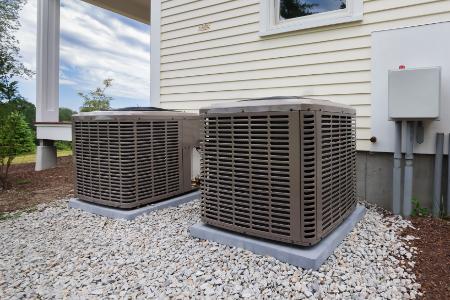
- Restricted Outdoor Airflow: Fences, shrubs, and windblown debris can choke the condenser coil and keep heat trapped.
- Dirty or Corroded Coils: Pine pollen and salt-laden air reduce coil surface performance, which weakens every minute of cooling.
- Low Refrigerant From Micro Leaks: Even a small leak reduces heat absorption and often causes long run times without results.
- Duct Leaks and Imbalances: Leaky return ducts in attics or crawl spaces pull hot, damp air into the system and spread it around.
- Thermostat Location or Sensor Faults: Sunlight or nearby appliances can confuse readings and force extra runtime.
- Undersized or Aging Equipment: Homes that added rooms or insulation changes may have systems that no longer match the load.
- Blower or Capacitor Failures: Weak motors and failing capacitors cut airflow, which limits cooling across the coil.
Each cause leaves a pattern. For example, restricted outdoor airflow often shows up as very hot air blowing out of the top of the unit with little temperature change indoors. Duct leaks may create uneven rooms, where a back bedroom stays muggy while the living room is only slightly cool. These patterns help your technician confirm the problem with instruments, not guesses.
How A Pro Diagnoses and Fixes It
A licensed HVAC technician follows a step-by-step process. They start with thermostat and control checks to confirm the system responds correctly. They measure temperature drop across the coil, static pressure in the ducts, and verify blower speed. Outdoors, they inspect the condenser fan motor, contactor, and coil condition.
For refrigerant concerns, the tech will check superheat and subcool readings to see how well the system moves heat. If readings point to a leak, the next step is to locate and repair it, then recharge to manufacturer targets. Electrical tests confirm that capacitors and motors are within spec. Duct inspections identify return leaks or crushed runs that starve airflow.
Avoid opening panels or handling refrigerant yourself. Modern systems require EPA-certified handling and the right tools to be safe and accurate. If your home in Porters Neck or Carolina Beach needs attention, scheduling expert AC repair helps prevent repeated callbacks and restores comfort faster.
Why it Feels Worse Near the Coast
Heat and humidity travel together here. On a 90-degree afternoon with high dew points, your AC is removing moisture and heat at the same time. If the coil is dirty or airflow is off, moisture removal slows down first. That leaves your home feeling sticky, and sticky air makes the same temperature feel several degrees warmer to your body.
Homes near the Intracoastal and along Masonboro Loop can also face wind-driven salt spray. Salt speeds up oxidation on aluminum fins and copper lines, which lowers heat transfer. Over time, that lost efficiency shows up as longer run times, higher bills, and rooms that never feel crisp and dry. Treating the root cause restores both temperature and dryness at once.
During late summer and hurricane season, wind and salt can load your outdoor unit with debris and residue. A licensed technician can safely clean coils and confirm tight electrical connections after major weather. This simple visit often restores lost capacity and helps avoid mid-season breakdowns.
Repair or Replace: What Makes Sense
Not every no-cool problem means a new system. Many issues are isolated and repairable, like a weak capacitor, a control problem, or a small refrigerant leak that can be fixed and tested. Replacement becomes a smarter talk if repairs are frequent, the system struggles every summer peak, or the equipment is well beyond typical service life for our salt-heavy climate. The right path weighs your comfort goals, the home's cooling load, and the unit's overall condition.
When your technician lays out options, ask how the recommended repair or upgrade will improve both temperature and humidity control. In our market, that second part often makes the biggest difference in sleep quality and day-to-day comfort. Also discuss duct health. Sealing a leaky return can lift comfort across every room without touching the equipment itself.
Prevent the Next No-Cooling Surprise
Routine professional maintenance is the best defense in Wilmington's climate. A seasonal tune-up includes coil cleaning, electrical testing, condensate checks, airflow verification, and control calibration. Your technician can also recommend the right filter type and change interval for your system and air quality goals. These steps keep heat transfer high and catch small issues early.
Good maintenance habits pay off locally because of pollen surges in spring and salt exposure year-round. A clean, well-balanced system dries the air faster, which lets you set the thermostat a touch higher without losing comfort. Early diagnosis prevents bigger repairs and longer downtime, especially during July and August when schedules fill quickly across Leland and Castle Hayne.
What to Share With Your Technician
Your description helps the team find answers faster. If the system seems to cool overnight but not in the afternoon, that points to heat load or airflow. If certain rooms never cool, that may suggest duct leaks or balance issues. Share anything that changed recently, like home additions or new window coverings, which can shift how your house holds heat.
Consider noting these details before your appointment:
- When you first noticed the AC running longer than usual.
- Whether rooms feel clammy or just warm.
- Any recent electrical trips or unusual sounds at the outdoor unit.
- Which rooms are most uncomfortable and what time of day it is worst.
This context, along with instrument readings, gives your technician a full picture. It shortens the path to a reliable fix and helps ensure comfort across every floor and room.
Local Insight: Why Wilmington Homes Benefit From Load Matching
Many homes here use single-stage systems that run at one speed. On mild mornings, that can be fine. On high-humidity afternoons, those systems can overshoot runtime without efficiently wringing out moisture. Variable or multi-stage equipment, paired with sound ductwork and proper controls, can better match the hour-by-hour load our coastal climate throws at you. Even if you keep your current system, improving airflow and sealing returns often delivers a strong boost in real-world comfort.
Choose A Local Team You Can Trust
When your air conditioner runs, but the house stays warm, you need clear answers and a plan that fits your home. Adams Mechanical Service LLC serves homeowners across Wilmington with thorough diagnostics and solutions that address both temperature and humidity. We stand behind our work and communicate each step, so you know what we are fixing and why it matters for comfort and reliability.
For fast, professional AC repair that restores cool, dry comfort, call Adams Mechanical Service LLC at 910-231-2587 today. If you are comparing options or planning ahead, our team can walk you through maintenance schedules, duct improvements, and equipment choices that suit coastal living. We handle full-system care, from tune-ups to complete HVAC services, with the goal of getting your home back to the way it should feel.
Contact Us Today
We're Ready to Help!